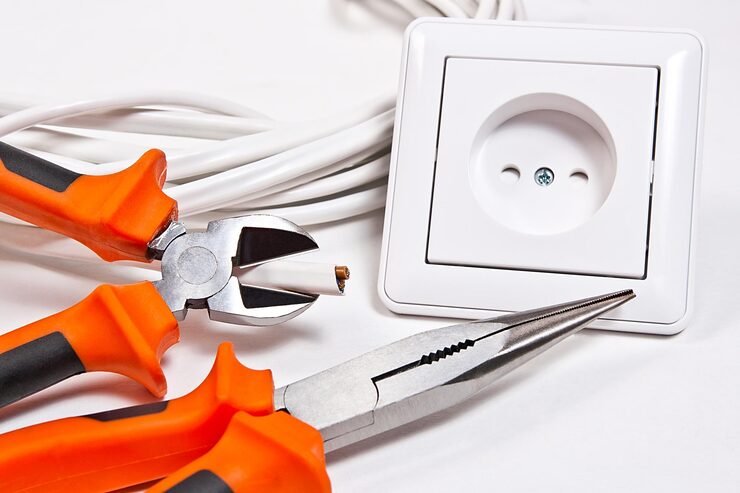
An EICR, or Electrical Installation Condition Report, is a comprehensive inspection of the electrical systems in a property. This formal assessment examines wiring, sockets, switches, circuit breakers, and other components to ensure everything is safe, functional, and compliant with current regulations. Electrical safety is often overlooked until problems arise, but an EICR provides an essential safeguard against potential hazards.
Who Needs an EICR?
Landlords: Landlords are legally required to have an EICR carried out at least once every five years or at the start of a new tenancy. This legal requirement ensures rental properties meet safety standards and protects tenants from potential electrical risks. It also shields landlords from legal liability in the event of an electrical accident.
Homeowners: While homeowners are not legally obligated to have an EICR, it is strongly recommended. An inspection is particularly valuable before buying a new property or after any major electrical work. Identifying hidden faults early can prevent expensive repairs in the future and ensure the property is safe for family and visitors.
Why an EICR is Important
The importance of an EICR extends far beyond compliance. Electrical faults are one of the leading causes of fires in residential and commercial properties. A thorough inspection can detect issues such as overloaded circuits, faulty wiring, and deteriorating electrical components before they pose a danger.
For landlords, an EICR demonstrates a commitment to tenant safety and reduces the risk of legal claims in case of an electrical accident. For homeowners, it provides peace of mind that the electrical system is reliable and up to standard, protecting both life and property.
What an EICR Covers
During an EICR inspection, a qualified electrician will check all fixed electrical installations, including lighting, sockets, fuse boxes, and wiring. The inspection identifies any issues and categorizes them according to severity. Recommendations are provided for urgent repairs, improvements, or routine maintenance, ensuring property owners know exactly what steps to take.
Conclusion
Regular electrical inspections are a small investment compared to the potential costs of accidents, fires, or legal liabilities. Whether you are a landlord ensuring compliance or a homeowner safeguarding your property, an EICR is an essential tool for maintaining electrical safety. By scheduling regular inspections, you can protect your tenants, family, and property while maintaining peace of mind and avoiding unexpected hazards.